
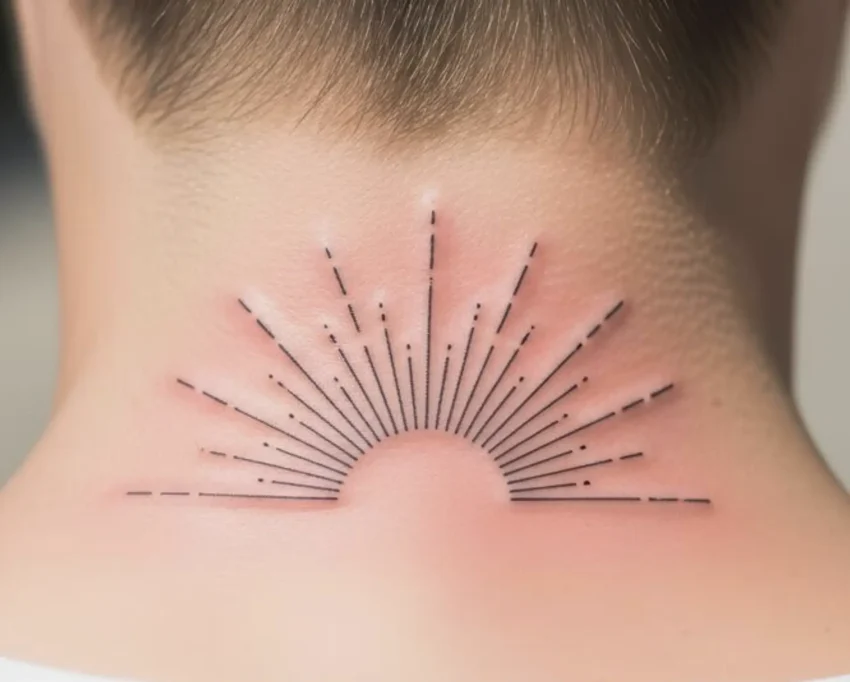
How do you check whether a fine-line artist is genuinely skilled? I want to talk to you like you’ve just walked into my Cosmetic Tattoo Studio Melbourne Face Figurati for a consult — because choosing the right fine-line artist is just as important as choosing the right cosmetic tattoo service. I’m Olha Po, and regardless of whether someone walks in asking about a lip tattoo in Melbourne or a delicate lip neutralization near me, the first thing I always look for is the artist’s long-term skill – not just their Instagram feed.
Fine line tattoos might look easy, but they actually demand a lot from the artist: a steady hand, controlled pressure, and a solid understanding of the skin’s anatomy. So, let’s break down what really defines a skilled tattoo artist – and how to avoid trouble before the ink even touches your skin.
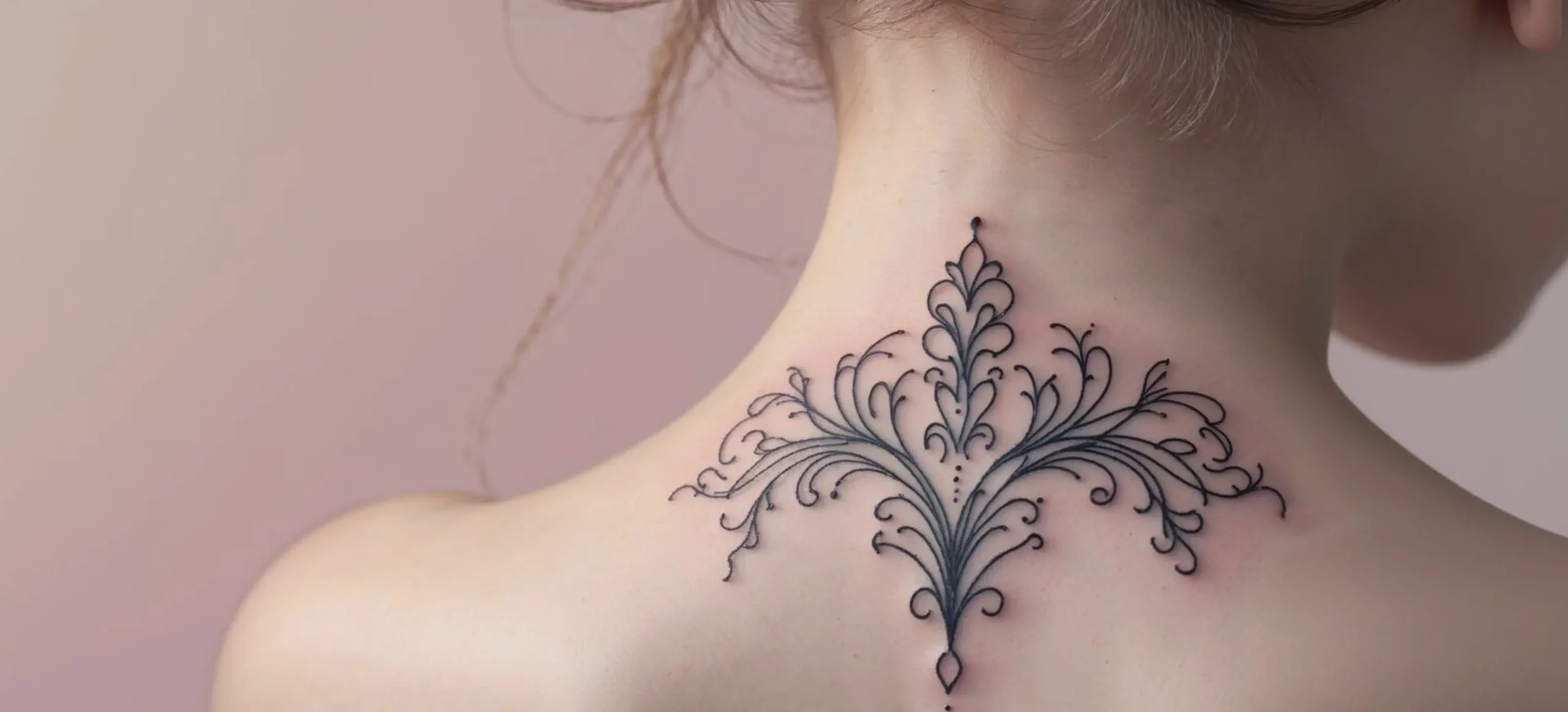
Contents
- 1 Why Healed Photos Matter More Than Fresh Ones
- 2 What the Portfolio Should Tell You
- 3 How To Decode Healed Results Like a Professional
- 4 Training, Technique, and Why Equipment Actually Matters
- 5 Licensing, Hygiene, and Studio Standards
- 6 A Quick Comparison Table: Skilled vs. Undertrained Artist
- 7 The Consultation: Your Best Chance To Spot Red Flags
- 8 Price: What It Really Tells You (And What It Doesn’t)
- 9 Aftercare: Another Clue to the Artist’s Skill
- 10 My Final Thoughts — And Your Next Step
- 11 FAQ
- 11.1 Do fine-line tattoos fade faster than bold designs?
- 11.2 Is it normal for fine lines to thicken during healing?
- 11.3 How important is skin type when getting a fine-line tattoo?
- 11.4 How can I trust online reviews or client feedback?
- 11.5 Can complex styles like realism tattoos be done in fine-line form?
Why Healed Photos Matter More Than Fresh Ones
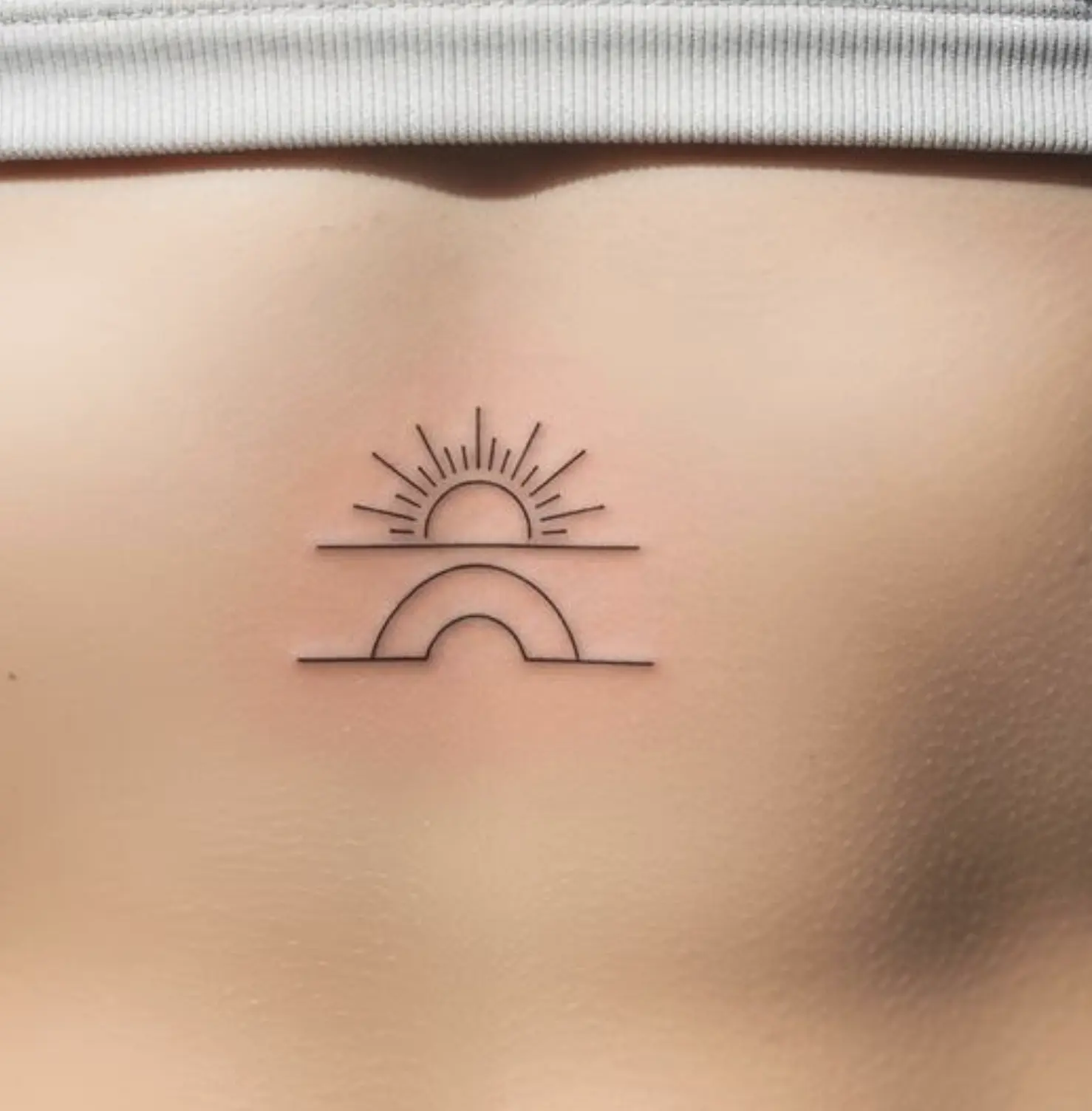
New tattoos look great on anyone – including artists who aren’t quite sure what they’re doing – but healed tattoos tell the real story of skill. On Instagram, it’s not uncommon to see only new-tattoo photos where the lines look spot-on. But healed photos show whether the lines stayed thin or blurred out. In Melbourne’s unpredictable weather, healed photos also show how fine-line work looks on different skin types. If an artist doesn’t post any healed results – especially for designs that require precise lines or intricate detail – that’s your first warning sign.
And trust me, at Cosmetic Tattoo Studio Melbourne Face Figurati, we love showcasing our healed work because it shows that our artists can deliver in the long run – and that’s what really matters.
What the Portfolio Should Tell You
A strong portfolio is like a window into an artist’s real skill – whether they’re doing cosmetic tattoo work, fine-line designs or any other style.
Consistency Is Everything
You don’t have to be a tattoo expert to spot consistency. A skilled artist produces work with:
- Uniform, neat lines
- Even colour shading
- Stable, looking good, healed tattoos
- Intricate designs that still look great after a while
I always tell my students during a fine line tattoo course that consistency is more important than creativity. A great idea doesn’t mean much if the line work falls apart later on.
Variety Matters Too
A portfolio full of the same old flowers or symbols might look nice, but it’s not exactly a testament to adaptability. A skilled artist should be able to mix it up and handle:
- Minimalist script work
- Drawing animals
- Black and grey tattoos
- Geometric designs
- Delicate lip liner tattoo (in the world of permanent makeup)
A skilled artist should be able to adapt their technique to your skin type, placement, and lifestyle.
How To Decode Healed Results Like a Professional
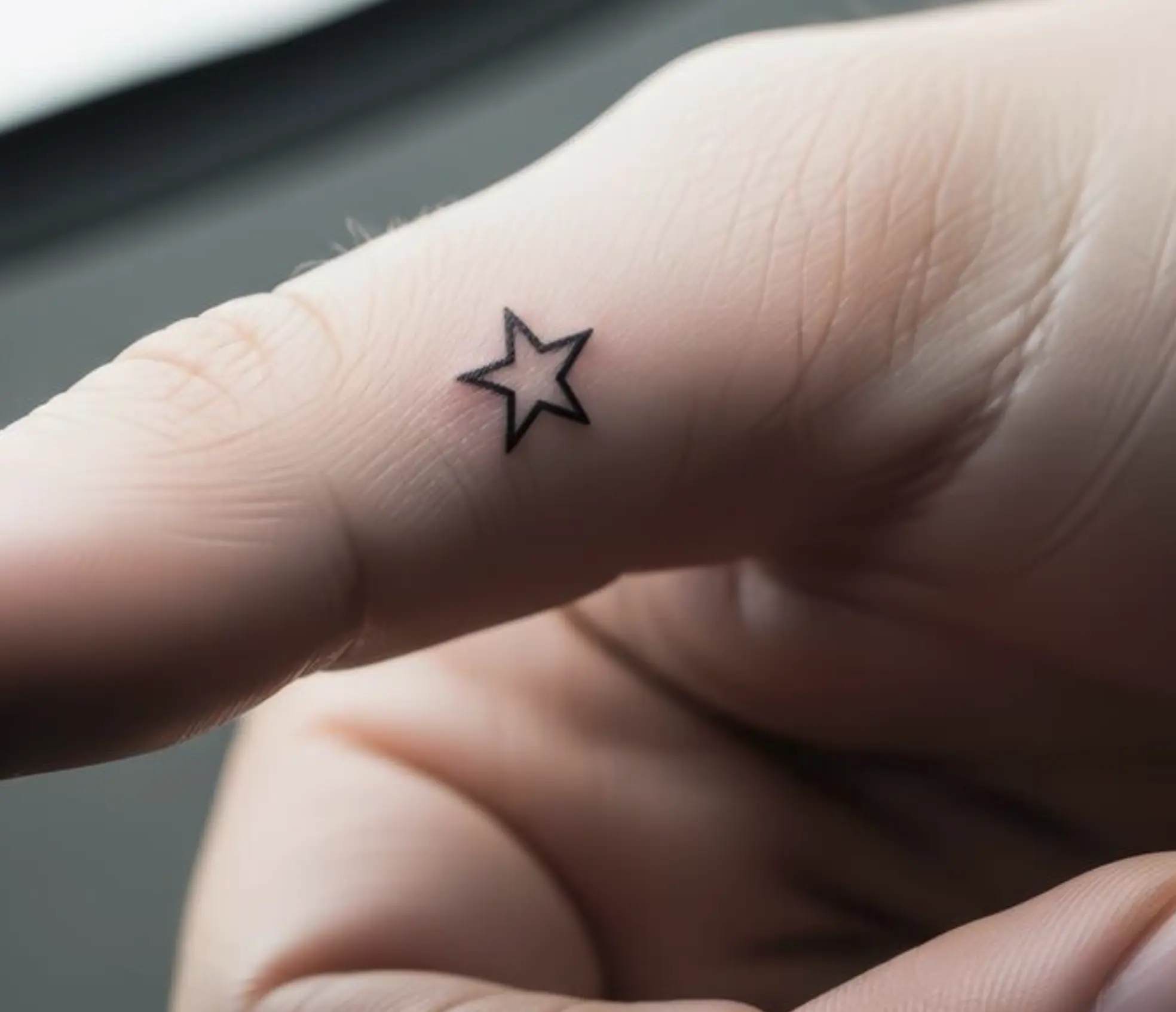
Healed results really are where the truth comes out – especially online reviews or client feedback for fine-line tattoos & other delicate designs.
Look For:
- Sharp lines that still look sparkling clean – not like a worn old scrape.
- Fading that’s even & pretty much zero-toned.
- Skin that looks smooth & unblemished, with no sign of trauma.
- Colour that’s 100% stable – no fading out to a weird brown.
A fine-line artist who genuinely understands how to get the hang of depth control, keep tattoos looking great over time, and position them just right will consistently crank out clean healed tattoos that make everyone proud.
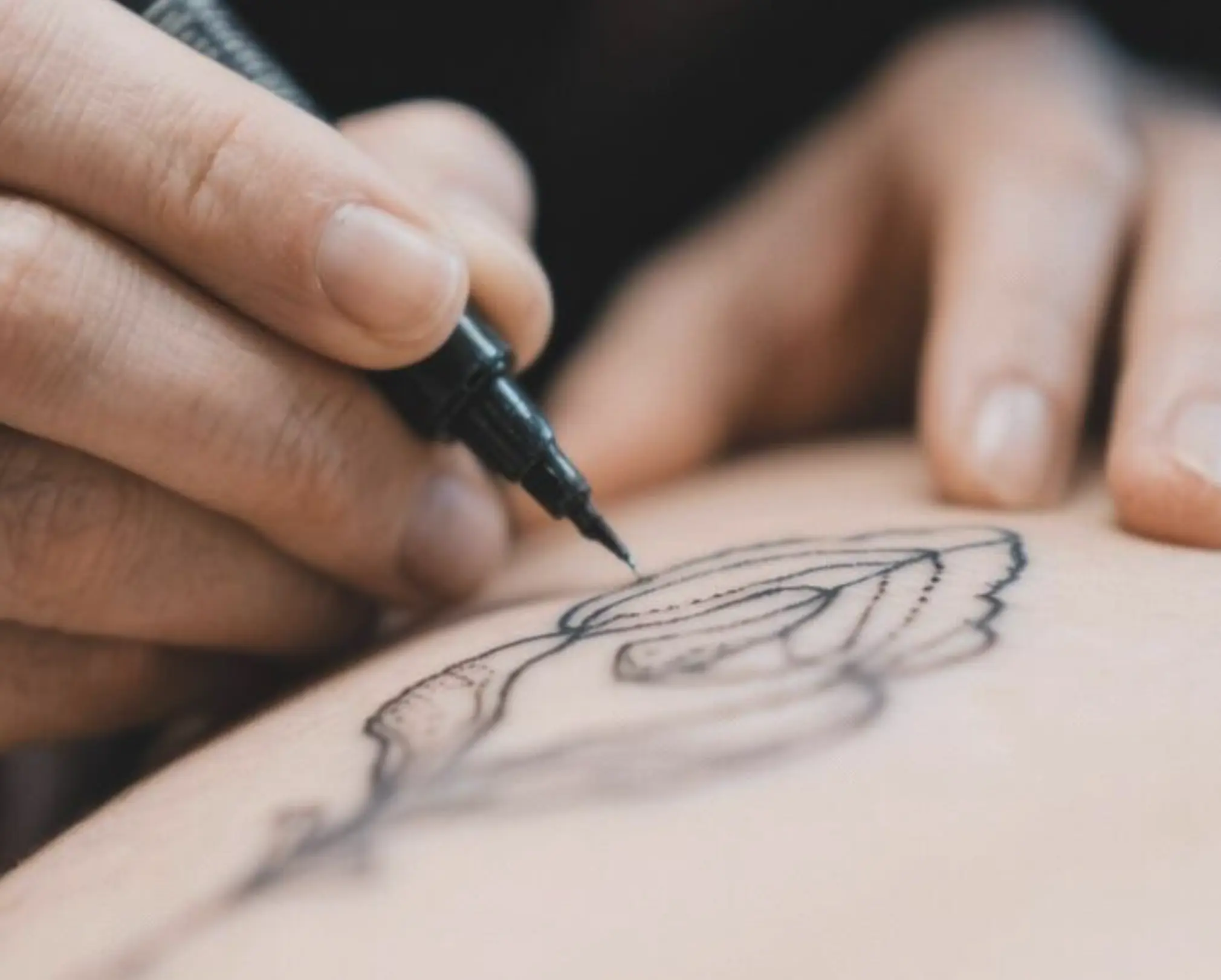
Avoid Artists Whose Healed Work Shows:
- Fuzzy or blurred edges – and it’s not just a little bit blurred, either.
- Lines that have thickened up like after days of overly aggressive scratching.
- Colour shading that’s patchy – it should be seamless, not spotty.
- Scarring or raised lines – any scarring at all is a pretty big red flag.
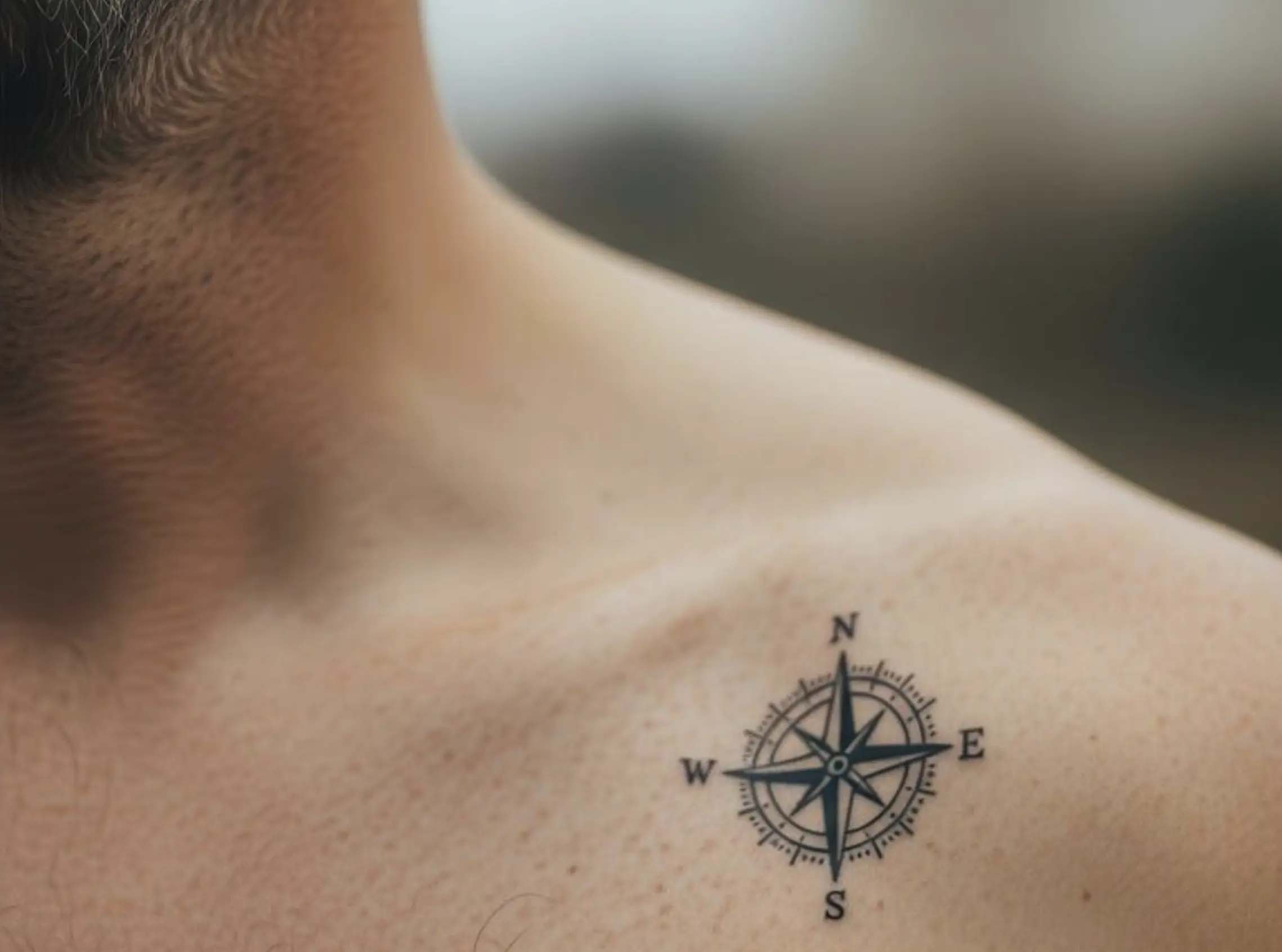
You know, photorealistic styles, delicate geometric shapes, and super minimalist portrait designs – they only age well when the artist knows just how lightly to touch the skin but still confidently gets the job done.
Training, Technique, and Why Equipment Actually Matters
Not all tools or machines are created equal – in the tattoo world, proper equipment paired with the right technique is what makes clean line work on those fine lines possible.
A skilled fine-line tattoo artist gets it:
- How different needle configurations work best.
- Stroke length on the machine – it’s all about finding that sweet spot.
- How skin behaves, so they can tweak the technique on the fly.
- Sanitation practices that are super rigorous & kept squeaky clean.
When someone comes strolling into my studio wanting to talk about getting a cosmetic tattoo or design work, I always break out the machine setup & disposable needle system, because honesty builds trust a lot faster.
What To Ask Your Artist:
- What kind of needles do you use for fine-line tattooing?
- How do you prevent those nasty blowouts that just look like ink exploded everywhere?
- What safety protocols do you actually use?
- How do you adjust technique to suit different skin types best?
The pro will be happy to answer all those questions with no issue at all – the inexperienced one might just get vague or even avoid specifics.
Licensing, Hygiene, and Studio Standards
Real studios actually do follow the rules. Here in Melbourne, we’ve got strict hygiene & safety standards in place to keep every client safe, whether you’re getting fine-line tattoos or something a little more like cosmetic tattoo services like lip liner.
Your artist should be following the book on:
- Using brand new disposable needles on every single client.
- Using hospital-grade sanitising practices all day long.
- Keeping work areas spotless & sterile.
- Choosing safe, high-quality pigments that don’t give you any problems.
- Give clear aftercare instructions for when the job is finished.
At Cosmetic Tattoo Studio Melbourne Face Figurati, clients often mention how reassuring it feels to see everything packaged, sterilised, and opened fresh in front of them — especially clients who’ve read tattoo-related forums full of horror stories.
A Quick Comparison Table: Skilled vs. Undertrained Artist
| What You See | Skilled Fine-Line Artist | Undertrained Artist |
|---|---|---|
| Portfolio Photos | Crisp line work, healed tattoos, diverse designs | Mostly fresh posts, little variety |
| Technique | Controlled depth, stable pressure, precise lines | Inconsistent hand work, uneven strokes |
| Healed Results | Clean, soft, long-lasting | Blown out, patchy, poor longevity |
| Studio Setup | Strong safety protocols, proper sanitation | Minimal hygiene, unclear processes |
| Communication | Honest feedback, clear aftercare routine | Vague, avoids explaining the technique |
Statistic For Context
Industry data shows over 60% of fine-line tattoo issues come from poor technique, not pigment choice — highlighting why artist selection matters.
The Consultation: Your Best Chance To Spot Red Flags
A really good consult will give you way more insight than any Instagram post ever could. It’ll show you the artist’s values, knowledge and communication style – all in one.
During Your Consultation, a Skilled Artist Will:
- Take a good look at your skin and figure out what you’ve got going on.
- Explain how tattoos age and the impact of the sun.
- Recommend designs that will last the distance.
- Tell you which styles won’t look so great in years to come.
People who have come to me for a lip tattoo in Melbourne always say it’s the straight-up advice they appreciate – and that’s exactly what you should be getting from a fine-line tattoo artist.
Price: What It Really Tells You (And What It Doesn’t)
Just because something is cheap doesn’t mean it’s rubbish – but if it’s really, really cheap, it’s probably a sign of something you don’t want. Things to watch out for include:
- Lack of experience
- Cheap equipment
- Sketchy safety standards
If you’re looking in Melbourne, you can expect to pay around $180-$300 for a small fine-line piece. If it’s a lot cheaper than that, it might be worth thinking twice – it could compromise the whole thing.
Aftercare: Another Clue to the Artist’s Skill
A pro will explain aftercare in a way that makes sense because it’s actually pretty important for how your tattoo heals.
Here are the basics of aftercare:
- Keep the tattoo clean
- Avoid the sun
- Let it heal properly
- Follow the product instructions
I always go over aftercare with my clients in the same way I would with a cosmetic tattoo client – trust in the process, look after your skin, and don’t be tempted to pick at it.
My Final Thoughts — And Your Next Step
A really good fine-line artist isn’t all about filters and trendy posts – they get skin, healing, cleanliness and how to make a design last. They follow safety standards, and the results look great and last just as well.
If you ever want some help checking out an artist’s portfolio or deciding between a fine-line tattoo and a cosmetic tattoo treatment, I’m always here to help at Cosmetic Tattoo Studio Melbourne Face Figurati.
FAQ
Do fine-line tattoos fade faster than bold designs?
Yeah – because fine-line work uses less ink. Proper technique and aftercare make a huge difference in how well a tattoo lasts.
Is it normal for fine lines to thicken during healing?
A bit of thickening is normal. If it’s getting all spread out, that might mean the artist went a bit too deep.
How important is skin type when getting a fine-line tattoo?
Very important. If you’ve got oily skin or your skin is all textured or damaged from the sun, you can expect your fine lines to fade faster.
How can I trust online reviews or client feedback?
Look for reviews that go into a bit of detail, some good before-and-after photos, and check out what people are saying in tattoo forums rather than just a generic comment.
Can complex styles like realism tattoos be done in fine-line form?
Some bits, yeah – but portrait realism tattoos, colour realism tattoo styles, and those super realistic designs usually need a bit more shading than a pure fine-line piece.