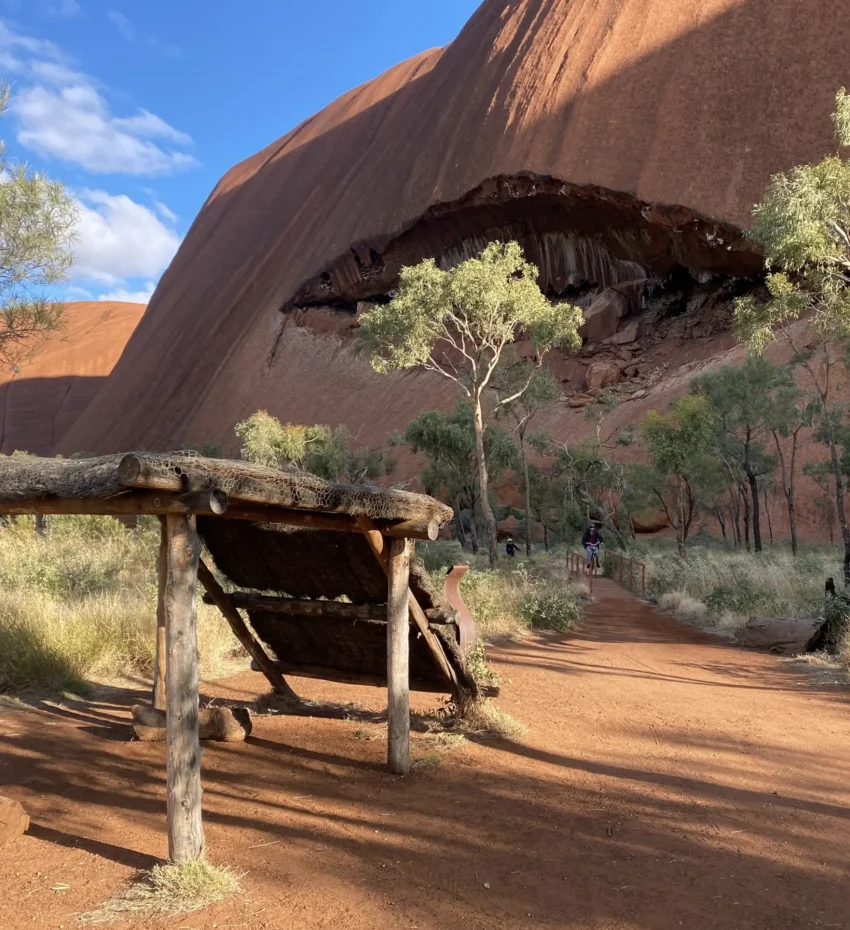
I’ve been asked this more times than I can count, usually right after someone spots Uluru for the first time and goes quiet. That giant red monolith has a way of stirring up big questions. And yep, one of the most common is: Is Uluru inhabited? Short answer? Not in the way you might think.
Let’s break it down, mate, because the story of who lives with Uluru is more than just a yes or no. It’s a tale of deep cultural connection, seasonal movement, national park boundaries, and hard-won land rights. And if you’re planning to visit, understanding who calls this traditional land home is part of travelling respectfully.
Contents
Who Lives There?
While you won’t find a bustling town or a bunch of houses at the base of the rock, Uluru is far from uninhabited. The local Aboriginal people, the Anangu, are the traditional owners and direct descendants of those who have lived in this Country for tens of thousands of years.
Today, the main settled community nearby is Mutitjulu, located right inside the Uluru-Kata Tjuta National Park. It’s home to around 300 people, mostly Anangu families. Mutitjulu isn’t a tourist facility — it’s a private, functioning Aboriginal community with schools, health services, and cultural centres.
So while Uluru itself doesn’t have permanent dwellings on or beside it (it’s a site of special significance), there are people living close by, continuing a deep and ongoing relationship with their cultural landscape.
What’s life like at Mutitjulu?
I’ve visited Mutitjulu a few times as part of cultural exchange programs and advisory work, and here’s the deal: life there blends ancient tradition with modern challenges. You’ll find elders sharing Tjukurpa (the Anangu law and story system) with younger generations, while kids head off to the local school or footy oval.
Like many remote Aboriginal communities, Mutitjulu faces its fair share of pressures — from access to fresh food and health services, to balancing tourism’s environmental impact with preserving cultural values. But it’s also a place of resilience, knowledge, and fierce pride.
Visitors don’t enter Mutitjulu without permission. It’s not a stop on the tourist map — and rightly so. If you’re curious about Indigenous peoples‘ stories and Aboriginal history, the best place to learn is the Uluru-Kata Tjuta Cultural Centre, where traditional landowners share their stories on their terms.
Nearby tour destinations like Kata Tjuta, Kings Canyon, and Watarrka National Park offer even more chances to explore the region’s stunning landscapes and cultural significance. I always recommend Wildlife Tours if you’re keen on a well-paced itinerary through these ancient lands.
Accommodation for Tourists
The place to stay is Yulara, the resort town just outside the national park. It’s about a 20-minute drive from the rock and offers everything from campsites and budget cabins to fancy digs like Sails in the Desert.
Yulara isn’t a traditional settlement; it was purpose-built to keep accommodation and facilities out of the sacred park. Smart move, really — it reduces environmental impact and respects the cultural landscape. There’s a servo, supermarket, visitor centre, cafés, and even camel rides if that’s your thing.
Ayers Rock Resort runs most of the show in Yulara, and while it’s got all the tourist trimmings, it also partners with Anangu locals to offer cultural experiences. Things like dot painting workshops, guided walks with Indigenous rangers, and bush tucker tours are on offer.
And if you’re hopping on a tour, Autopia Tours is a solid pick — they run trips that dive into both the natural landmarks and the rich history of the Red Centre. You’ll find everything from day-long Uluru tours to full-outback adventures.

The Anangu connection
Here’s where it gets important. For the Anangu, Uluru isn’t just a big rock — it’s a living presence tied to Tjukurpa. Every cave, crevice, and colour shift tells a story. Some areas are gender-restricted or sacred and not to be photographed or walked on. That’s why the climbing ban came in back in 2019.
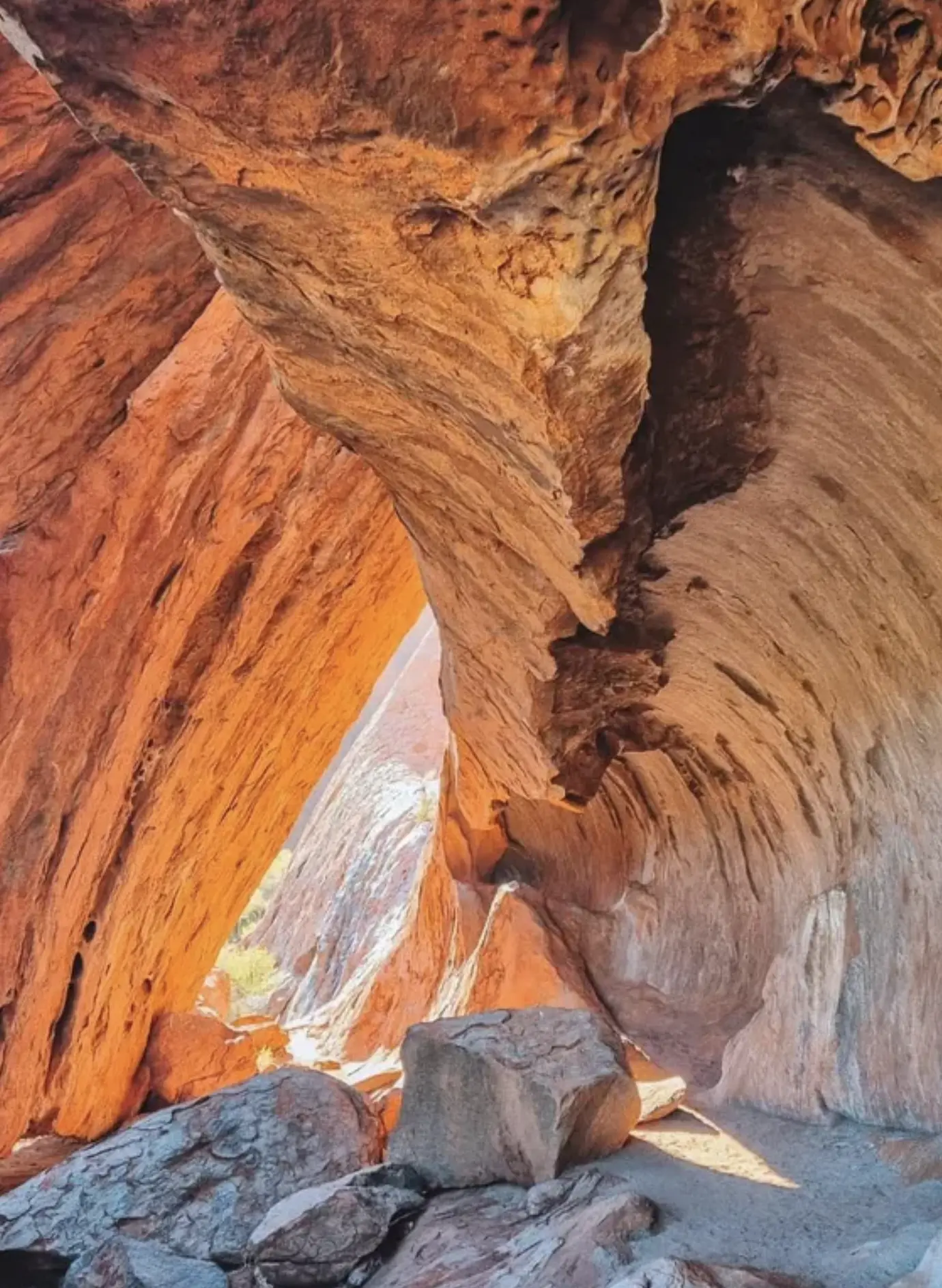
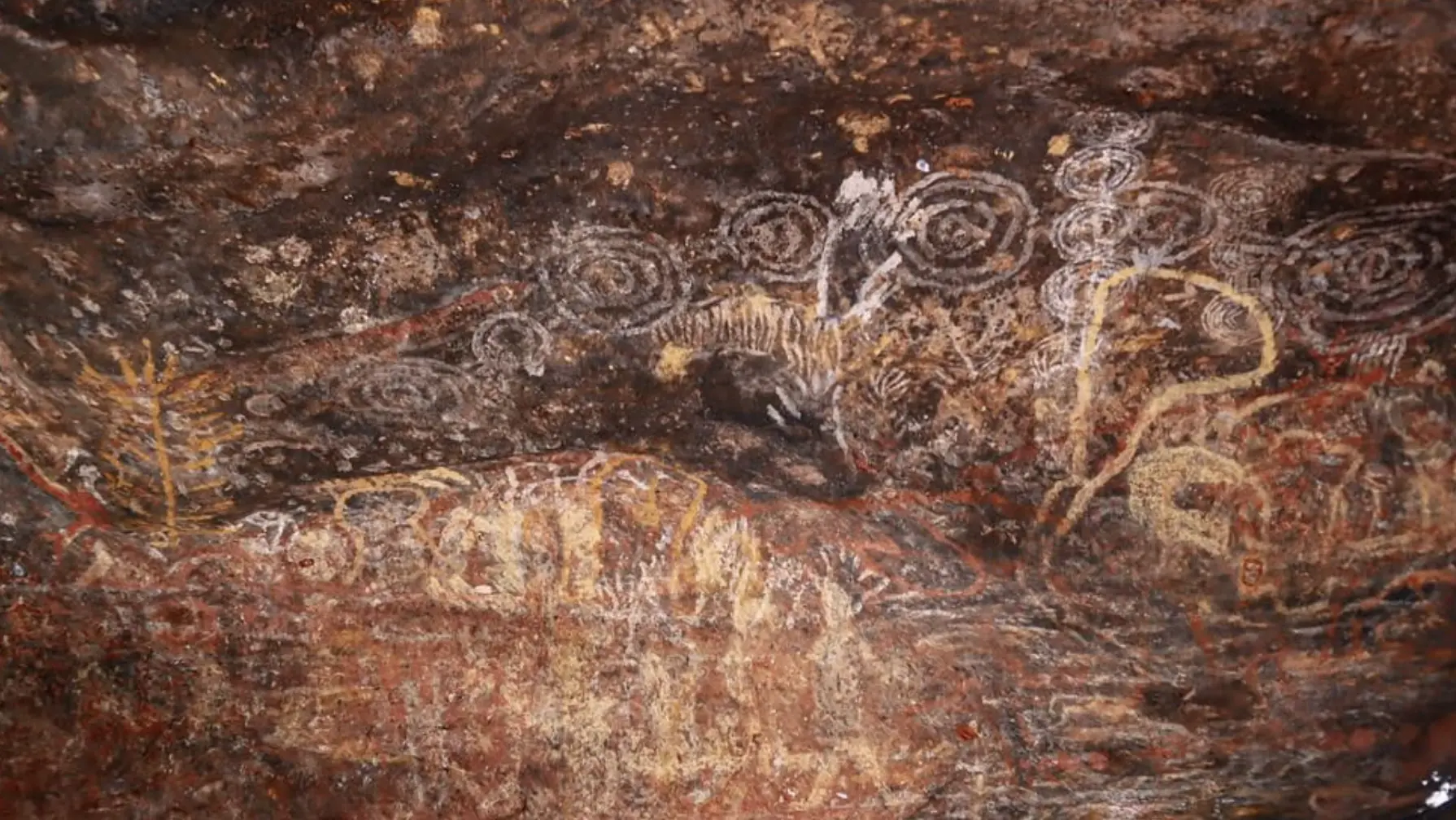
Uluru holds deep cultural significance. It’s part of the cultural heritage of Australia and a symbol of ancient tradition passed through stories, ceremonies, and physical evidence like rock art found in its caves.
When I first visited in the early 2000s, the climb was still open, and it felt deeply uncomfortable watching people queue up to trample a sacred site. Times have changed, thankfully. These days, travellers are far more clued-in and respectful — and Uluru’s story is being told properly, by those who’ve lived it for generations.
So no, Uluru isn’t “inhabited” in the city-slicker sense. But it is held, honoured, and watched over by its traditional owners — and that’s the kind of presence no fence or postcode could define.
Trip Planning Tips
Thinking of heading out to the Red Centre? Here’s how to plan smart, travel respectfully, and soak in the magic without stepping on cultural toes.
When to Go
- Best time: The cooler months — May to September — are ideal for hiking and sleeping without sweating through your swag.
- Avoid: December to February if you don’t love 40+ degree heat, mozzies, or sudden storms. Summer’s no joke out here.
Getting There
- Fly into Ayers Rock Airport (Connellan) or Alice Springs and drive the rest.
- Drive: Alice to Uluru is about 5 hours — make sure your spare tyre is sorted and don’t trust the fuel gauge too much. Fill up at Erldunda.
Plenty of travellers opt for Alice Springs to Uluru tours, especially if they don’t want to self-drive. These tours are a great way to cover key sights while learning from guides who know the stories behind the sand.
Park Access
- You’ll need a Parks Pass to enter Uluru-Kata Tjuta National Park. It’s around $38 for a 3-day pass (check online for updates).
- The Cultural Centre is a must-visit first stop. Grab a map, learn the stories, and show some respect.
Where to Stay
- Yulara (Ayers Rock Resort) – Options from backpacker budget to luxe. There’s also a good campground if you’re rolling with a swag.
- Camping elsewhere? Wild camping is not allowed in the park.
Respectful Travel
- Don’t photograph restricted sacred sites (they’re clearly marked).
- Don’t stray off track or go bush-bashing — you’re walking on living stories.
- Join a local cultural tour if you can — supporting Anangu guides helps keep stories alive and supports the community.
You can easily bundle a tour to Uluru with stops at Kings Canyon and Kata Tjuta — just check what’s on offer from Wayoutback Tours, one of the better small-group options for those after something immersive.
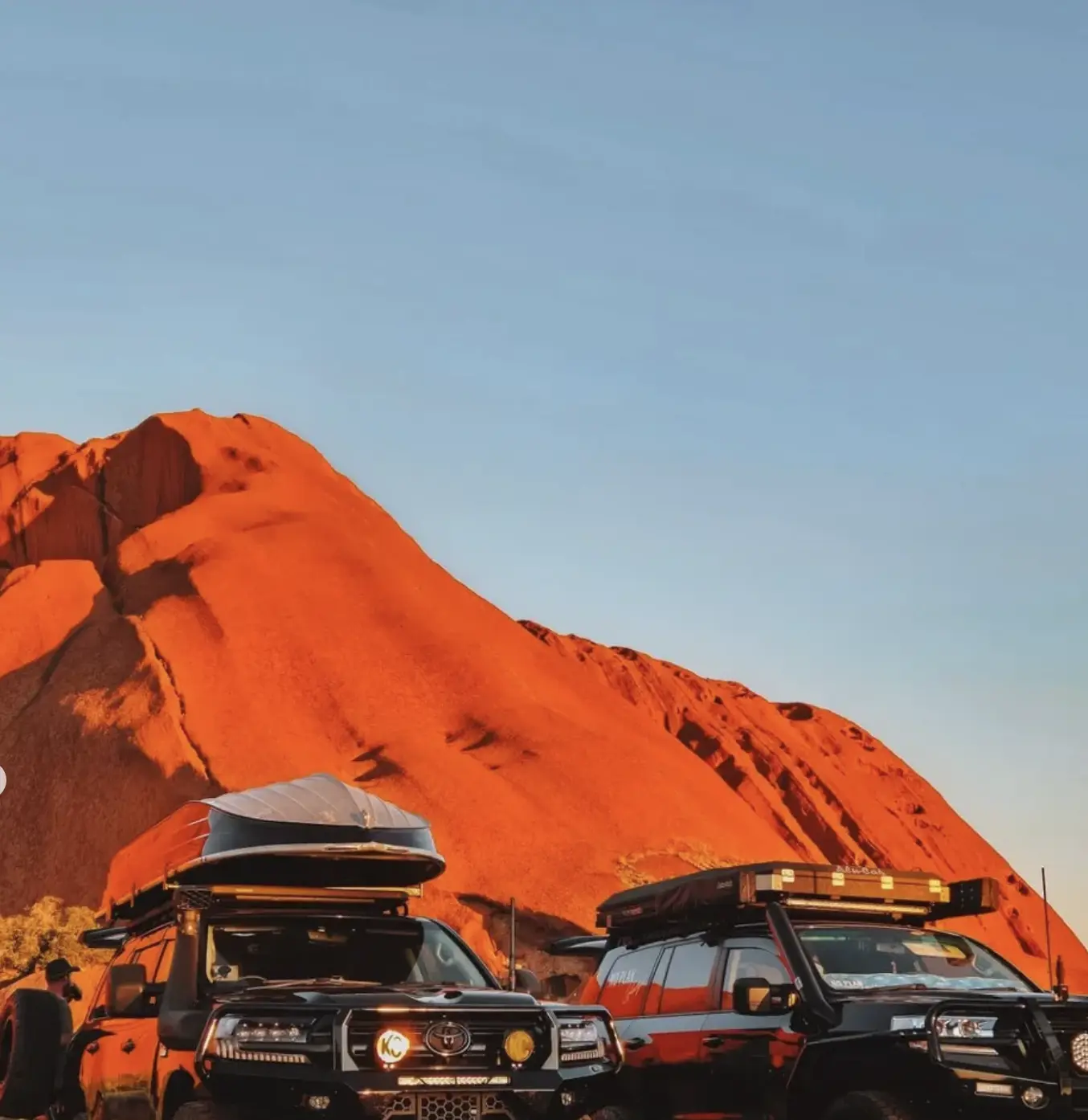
There are also longer tours from Alice Springs to Uluru for those wanting the full desert experience.
Real Talk: My First Uluru Trip
When I first came out to Uluru tour, I was a bit green — didn’t know what I didn’t know. I’d read the brochures, packed the fly net, and planned to “tick off” the rock. But standing in the pre-dawn chill, watching that hulking form shift from charcoal to glowing ember? I copped it — this wasn’t something to tick. It was something to learn from.
I met a local guide who shared how Uluru’s shape came from ancestral fights between snakes and lizards — forms of people from the creation period. We didn’t just walk; we listened. That’s when I stopped seeing it as a destination and started seeing it as a teacher.
FAQ
Can you live at Uluru?
No one lives on Uluru itself — it’s a sacred site. But the nearby Aboriginal community of Mutitjulu is home to around 300 people.
Is Mutitjulu open to tourists?
No, it’s a private Aboriginal community. Tourists can learn about Anangu culture at the Uluru-Kata Tjuta Cultural Centre instead.
Where can visitors stay near Uluru?
Most stay in Yulara, about 20km from the rock. It has a range of accommodation and facilities for travellers.
Why don’t people live directly at Uluru?
Uluru is a deeply sacred place for the Anangu. Living or building there would go against cultural law and respect for Country.
How can I respectfully engage with local culture?
Join guided cultural tours, visit the Cultural Centre, follow signage, and support businesses owned or run by Anangu people.